Cross Platform


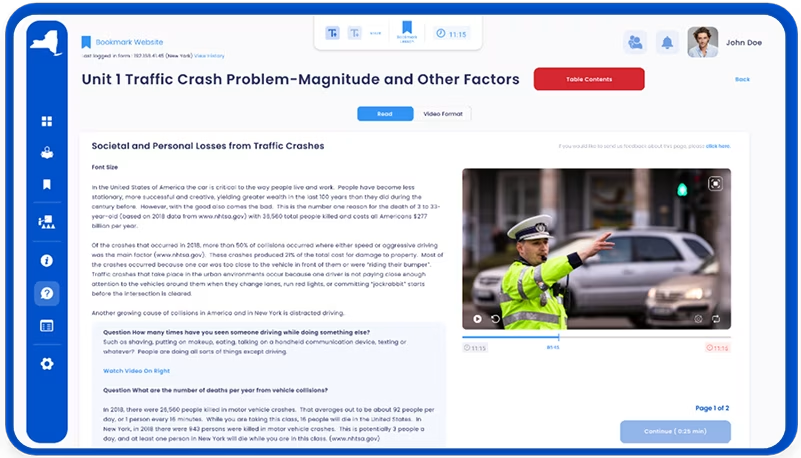
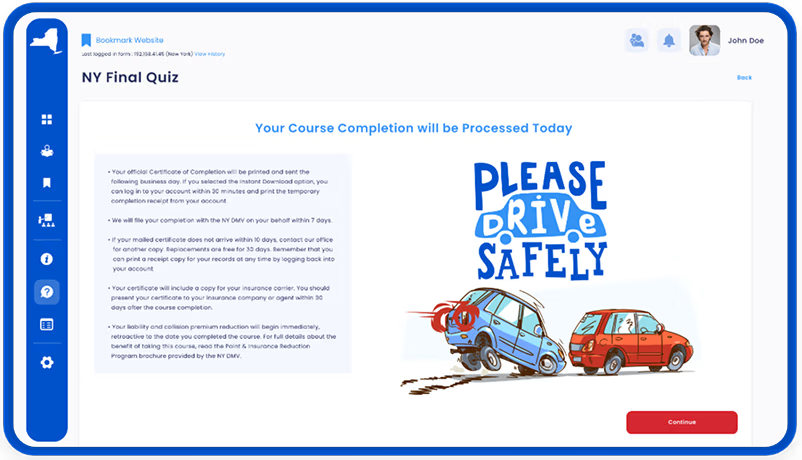
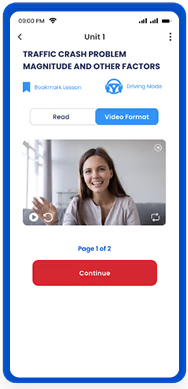
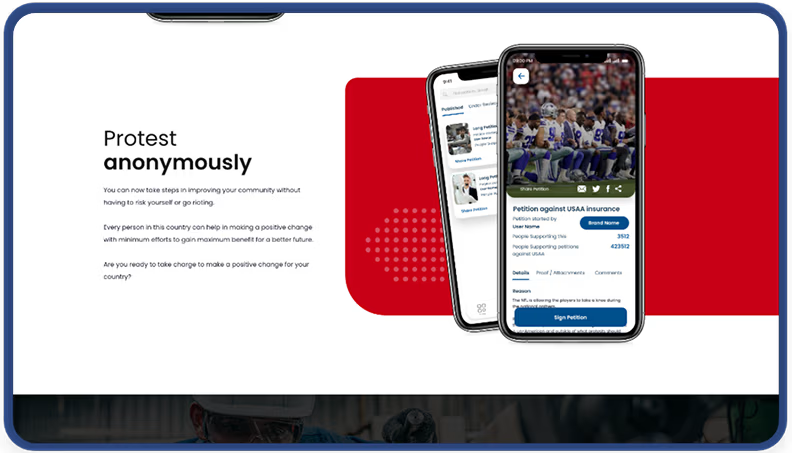
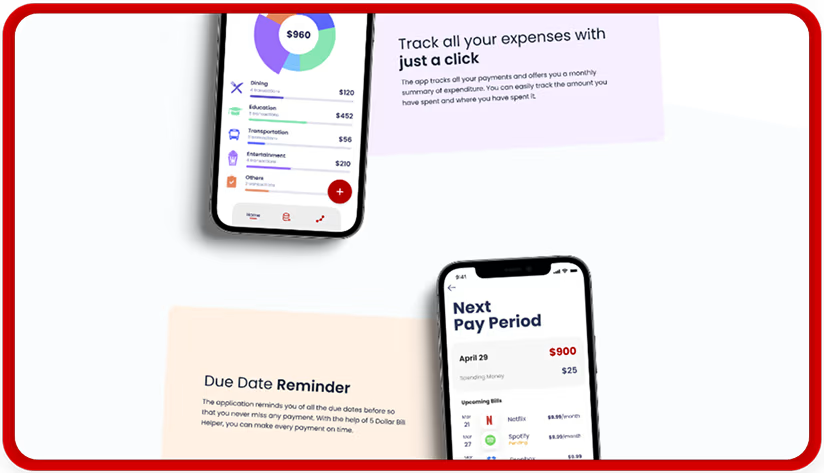
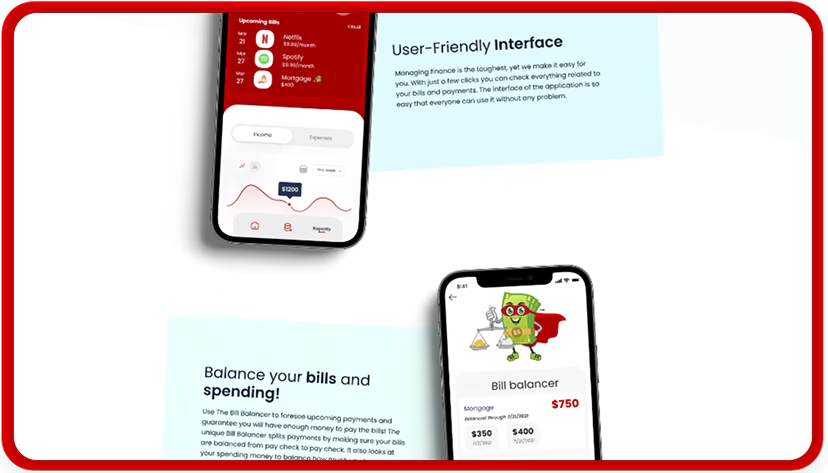
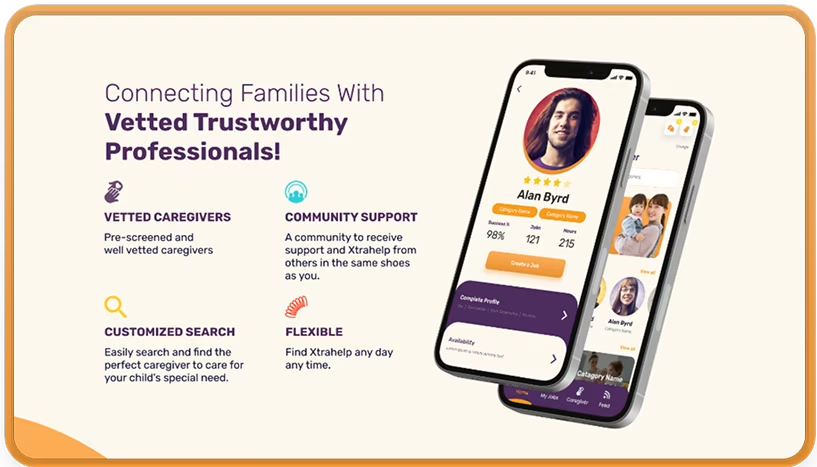
One codebase for iOS and Android. React Native or Flutter so you ship to both stores with one team and one release cycle. Native components or custom rendering; the app still feels right on each device. From first build to App Store and Play Store, without maintaining two native codebases.
Trusted by innovators worldwide










Build once and target iOS and Android. Same logic, same UI layer, same team. Features land on both platforms in one go. No “we’ll do Android in phase two” or two codebases drifting apart. One source of truth.
One team, one sprint, one release. Timeline and budget often beat going native twice. For apps that are mostly forms, lists, API calls, and standard UI, cross-platform delivers without sacrificing quality. You get to both stores sooner.
React Native uses JavaScript and React; Flutter uses Dart and its own rendering. Both ship to both stores. We pick based on the product, your team’s skills, and where you might need to drop into native code. No one size fits all.
Discovery, design, build, deploy, support. One path from concept to an app that’s live on both stores and ready for updates.
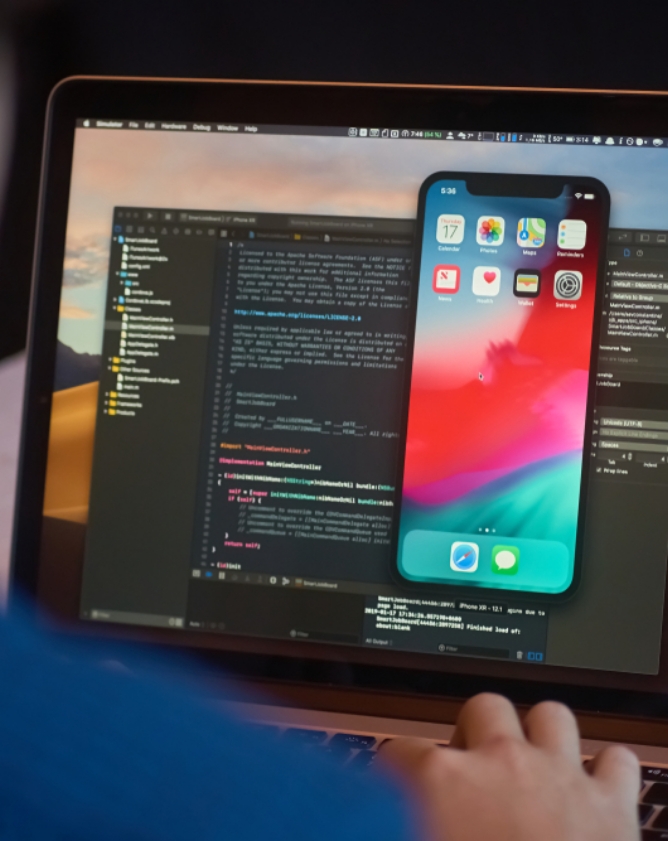
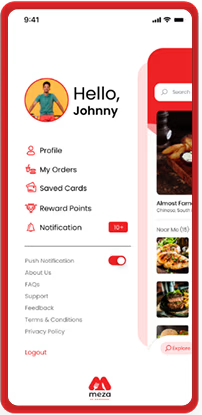
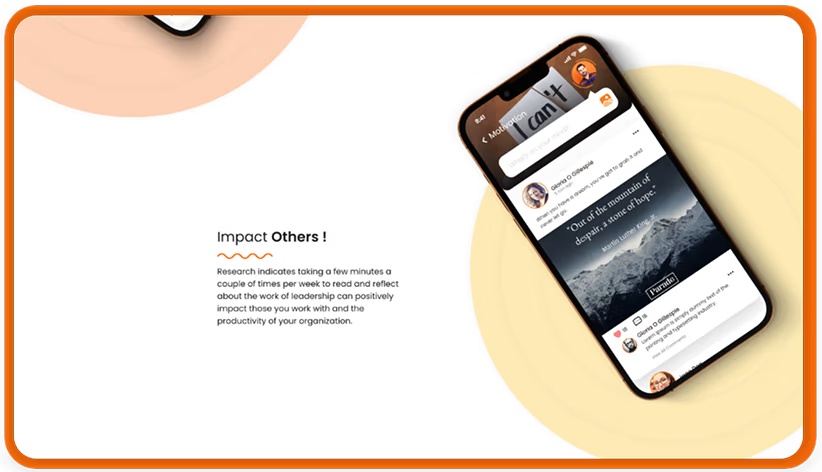
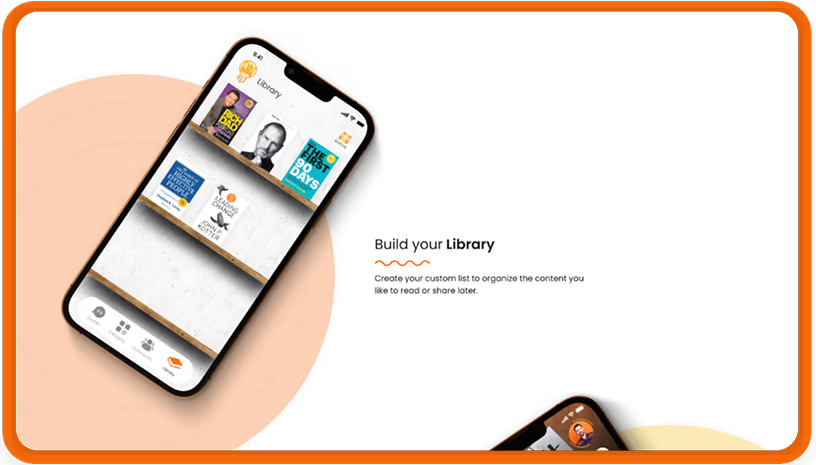
iOS and Android apps from a single codebase with React Native or Flutter. New builds or adding features: clear structure, shared logic, and a path to both stores. Native modules or bridges when the product needs platform-specific behaviour. Backend and APIs when the app needs to talk to your systems.
JavaScript and React, with native UI components under the hood. One codebase; iOS and Android builds from the same project. Hot reload and a big ecosystem. Web developers feel at home. When you need to go beyond the default, native modules bridge to Swift or Kotlin. Good fit when the team knows React and the app is mostly standard screens and API calls.
Dart and Flutter’s widget set. Flutter draws its own UI instead of using native components. Consistent look across platforms and tight control over every pixel. Fast iteration and good performance. When you need design control and the team is fine with Dart, Flutter delivers. Desktop and web targets exist if you need them later.
React Native leans on the React ecosystem and native components; Flutter leans on Dart and custom rendering. React Native often fits when you have or want web overlap; Flutter often fits when design consistency and performance are top priorities. We help you choose and then build.
Sometimes the app needs camera, sensors, or a library that doesn’t have a cross-platform wrapper. We write native iOS and Android code and expose it to React Native or Flutter. The bulk stays in one codebase; the edges go native when they have to.
REST or GraphQL, auth, and push notifications. Same backend for both platforms. The app is the client; we build or wire the backend so data and identity flow correctly. No difference whether the client is React Native or Flutter
One codebase doesn’t mean “test once.” We run the app on iOS and Android, on simulators and real devices. Layout and behaviour can differ; we catch it before release. Both stores get a build that’s been verified on both platforms.
Single repo, two build pipelines. iOS via Xcode and Apple; Android via Android Studio and Google. We run both and fix platform-specific issues so the app behaves correctly on each. No “it works on iOS, we’ll fix Android later.”
Two listings, one product. Metadata and screenshots per store. Submission and review for both; we handle the process so the app goes live on iOS and Android. Updates ship to both in sync when that’s what you want.
New features and fixes in one codebase. Build for both platforms and release together or stagger. One team maintains one codebase. OS and store changes get addressed once and both apps stay current.
iOS and Android from one codebase with React Native or Flutter. One team, one release cycle, both stores.
Apps in JavaScript and React. Native components and a familiar model for web devs. Native modules when the product needs platform-specific behaviour.
Apps in Dart and Flutter. Consistent UI and tight control over design. Fast iteration and performance. Desktop and web targets if you need them.
Platform-specific code when React Native or Flutter don’t cover it. Camera, sensors, or third-party SDKs exposed to the cross-platform app. Best of both worlds.
Smooth animations and UX that feels right on iOS and Android. So the app doesn’t stutter or feel like a web view in a shell.
APIs, auth, and push for the app. Backend built or integrated so the app has data and identity. Same for both platforms.
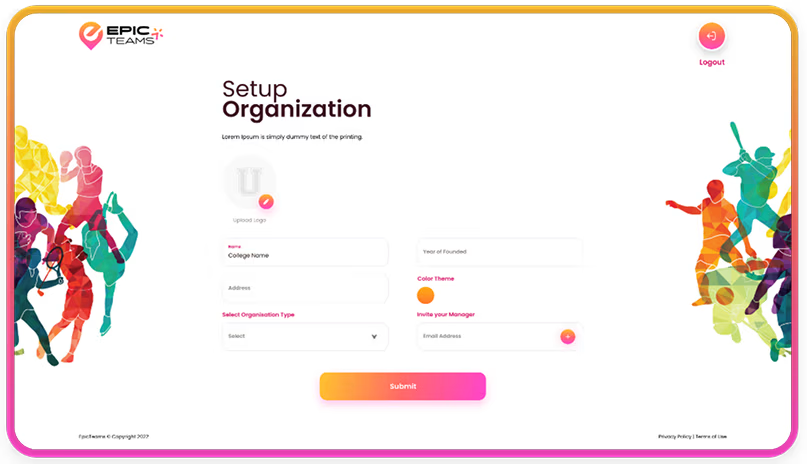
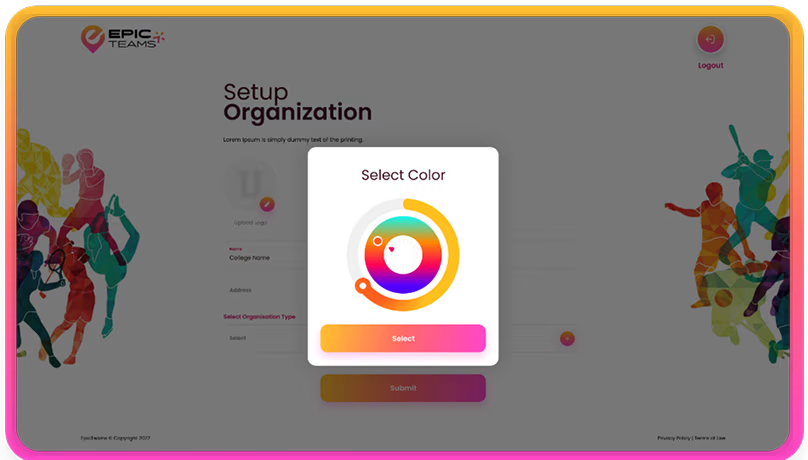
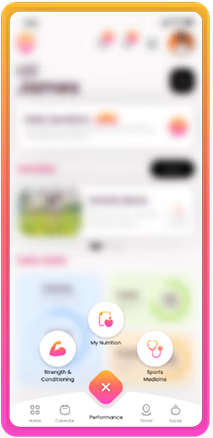
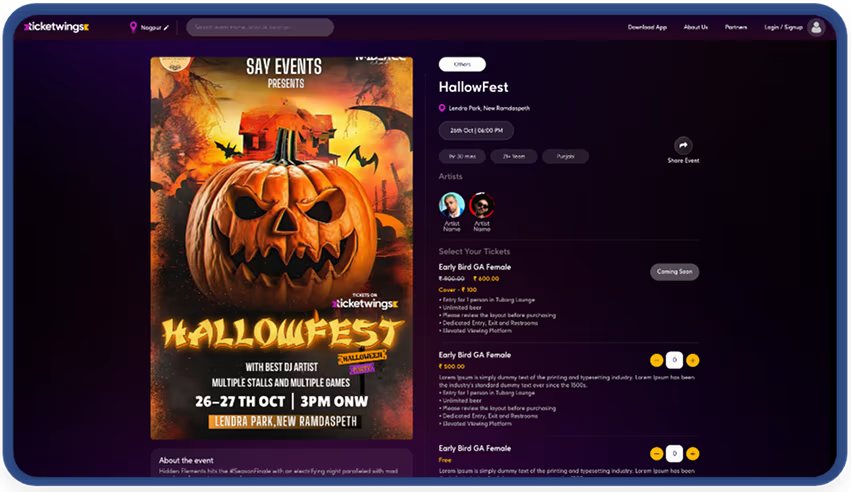
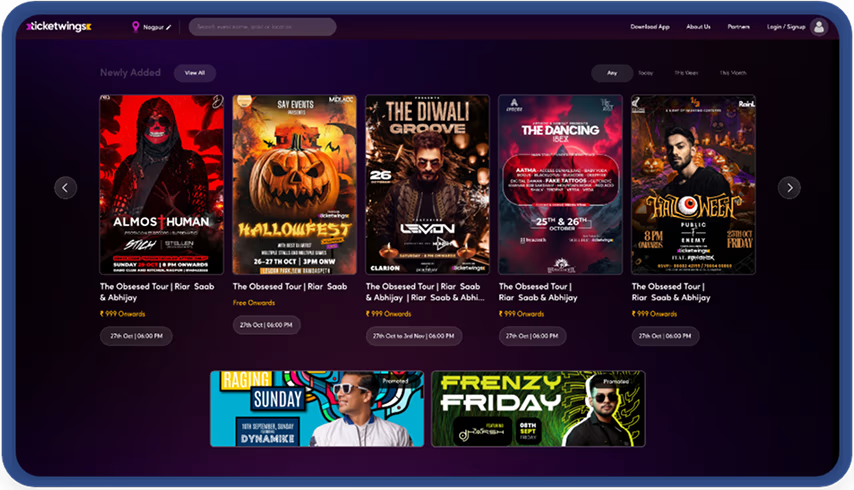
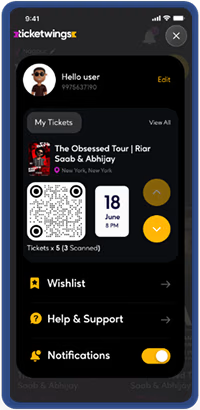


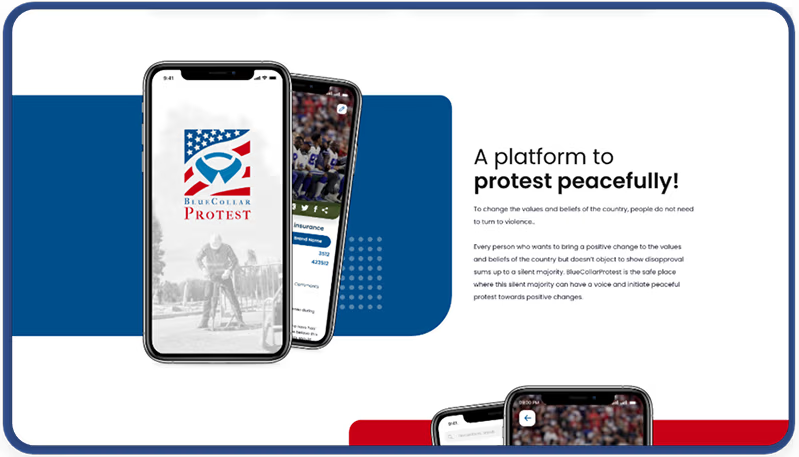

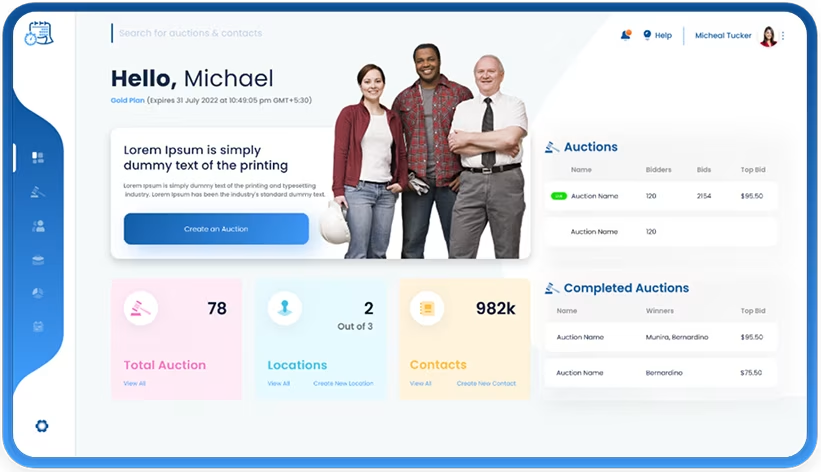
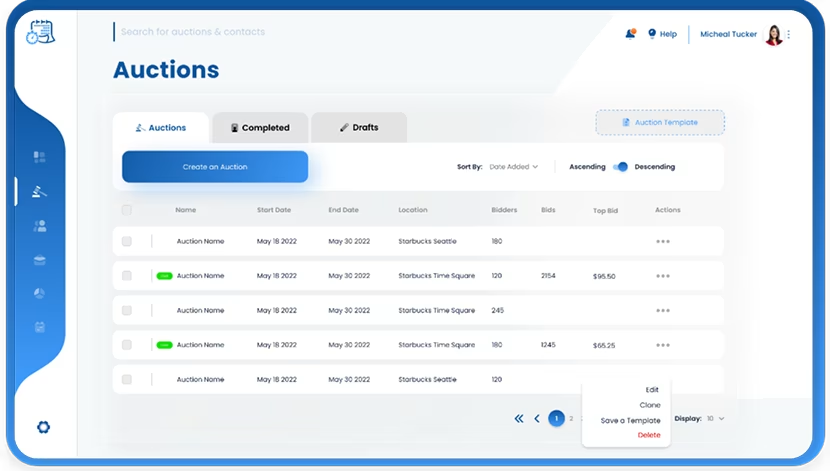
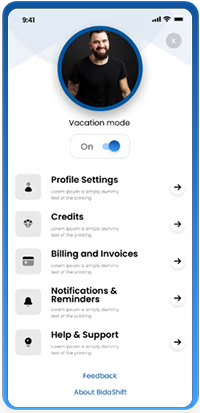





From your idea to a live app on both stores: understand, plan, build, ship, then support.
Goals, users, and platform scope pinned down. Cross-platform vs native and why. React Native vs Flutter if we’re going cross-platform. So the approach fits from day one.
Architecture, timeline, and feature set agreed. What’s in v1 and what lands in updates. Both stores and backend in the plan.
Sprints with design, development, and testing on both platforms. Prototypes and test builds so you see the app on iOS and Android before release.
App Store and Play Store submission and release. Backend and analytics in place. The app is live on both and users can download it.
Docs, handover, and optional updates and maintenance. One codebase to evolve; both apps stay current when OS or store requirements change.
We're open to collaboration with you, our next adventure.
© 2026 Webmigrates Technologies LLP. All rights reserved.