NestJS


TypeScript-first Node.js with a clear layout: modules, dependency injection, controllers, and services. APIs and microservices that stay organised as the codebase grows. Built for backends that need structure, not a pile of route handlers.
Trusted by innovators worldwide











Layers are explicit. Controllers, services, and modules have a place. New developers find their way quickly; refactors don’t turn into archaeology. Backends that outlive the first sprint.
Types from request to response. Fewer runtime surprises and better tooling. Fits teams that already think in TypeScript on the front or want a single language across the stack.
REST, GraphQL, WebSockets, message queues. The framework has opinions so you don’t invent structure from scratch. B2B APIs, internal services, and integrations stay testable and deployable.
Discovery, design, build, deploy, support. One path from concept to a backend that’s live and maintainable.

APIs and microservices on NestJS: greenfield or replacing a messy Node backend. TypeScript, clear boundaries, and deployments that run the same way every time. No black boxes.
Features live in modules. Import what you need and keep the rest out. Boundaries stay clear as the app grows. Easier to test and to hand to another team.
Services get what they need via the constructor. No globals or hidden state. Swapping implementations for tests or for different environments is straightforward.
Controllers handle HTTP (or GraphQL, or WebSockets). Services hold business logic. The split is enforced so routes stay thin and logic stays reusable.
Route params, body, and query come in typed and validated. Pipes and guards handle cross-cutting concerns. Less boilerplate and fewer “why did that request break prod?” moments.
Unit and e2e testing are part of the design. Mocks and test modules fit the same structure as the app. Refactors don’t leave tests behind.
HTTP today, WebSockets or message queues tomorrow. Same application layout, different transport. Microservices and real-time features use the same patterns.
REST and GraphQL APIs with controllers, services, and validation. Structure that holds up as endpoints and logic grow.
Service-oriented backends with clear modules and boundaries. Message queues, events, or HTTP: one consistent way to build and deploy.
Backends for dashboards, internal tools, and partner APIs. TypeScript, tests, and a layout that new hires can follow.
Third-party APIs, webhooks, and background jobs. Logic lives in services; controllers stay thin. Easy to extend and test.
WebSockets and gateways inside the same NestJS layout. Same dependency injection and modules as the REST API.
Tuning, monitoring, and CI/CD so NestJS apps run fast and ship reliably.
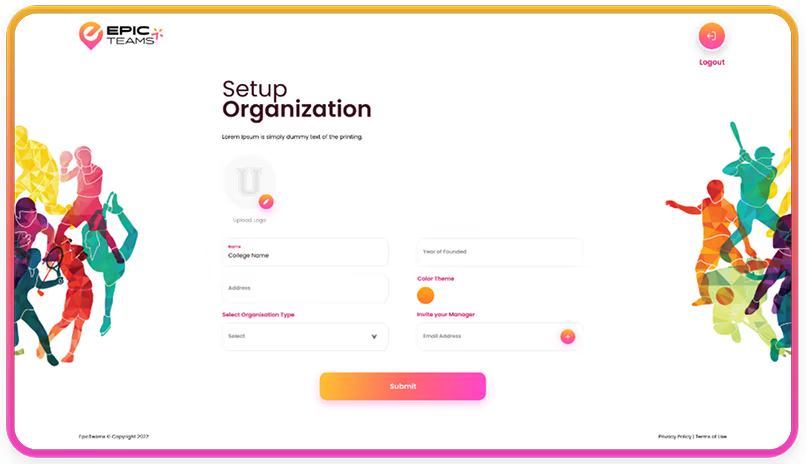
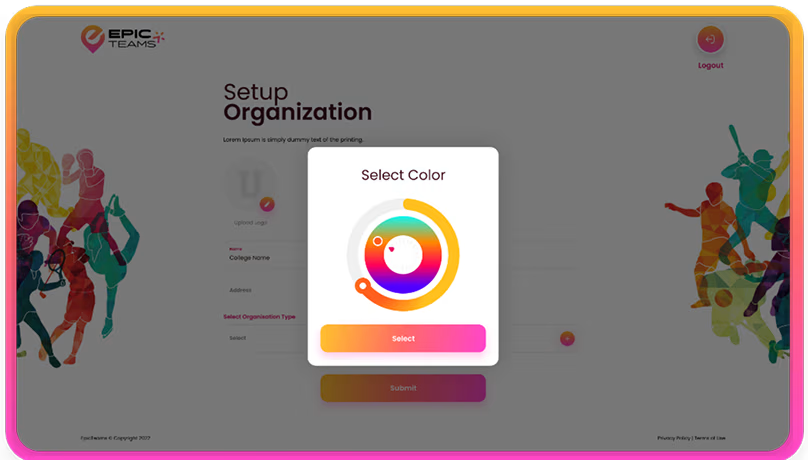





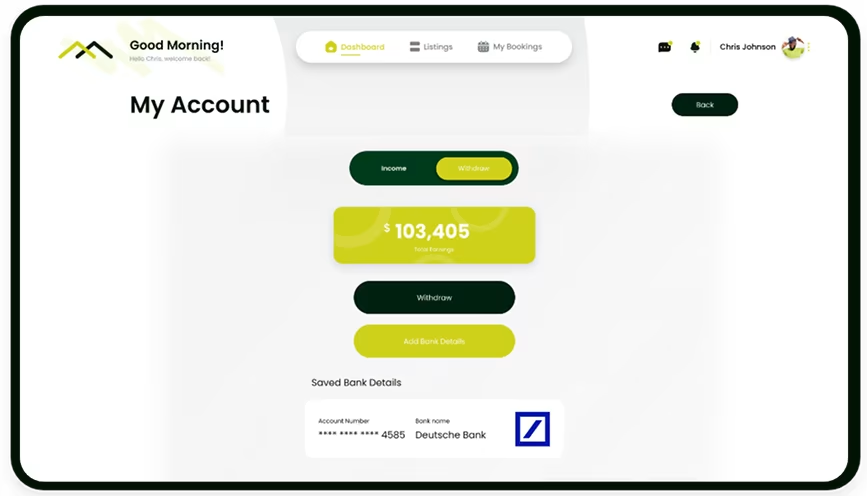










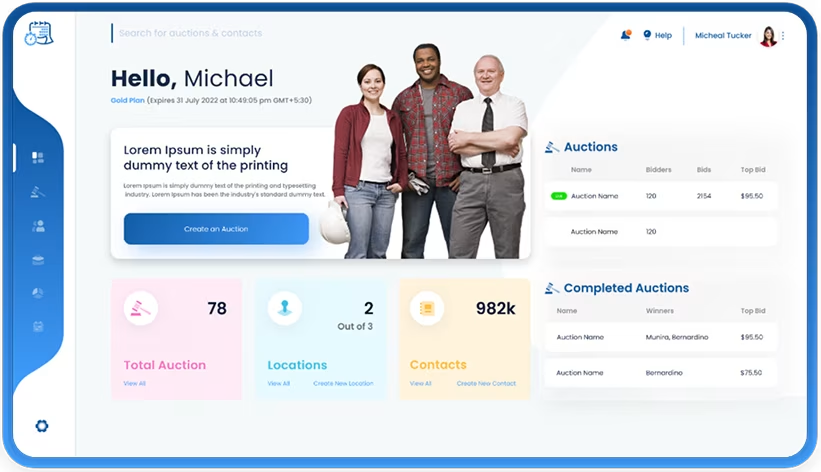












From your idea to a live backend: understand, plan, build, ship, then support.
Goals, users, and technical constraints nailed down so the architecture fits the problem.
Structure, timeline, and feature set agreed so everyone knows what’s in scope.
Sprints with code review, tests, and staging. The layout stays consistent so nothing slips through.
Hosting and CI/CD sorted so the API or service goes live and stays up.
Documentation, handover, and optional ongoing work or new features.
We're open to collaboration with you, our next adventure.
© 2026 Webmigrates Technologies LLP. All rights reserved.