Mobile App


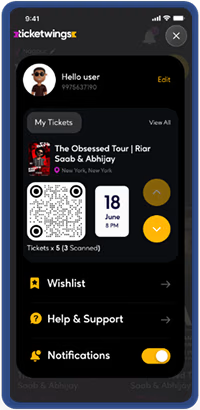
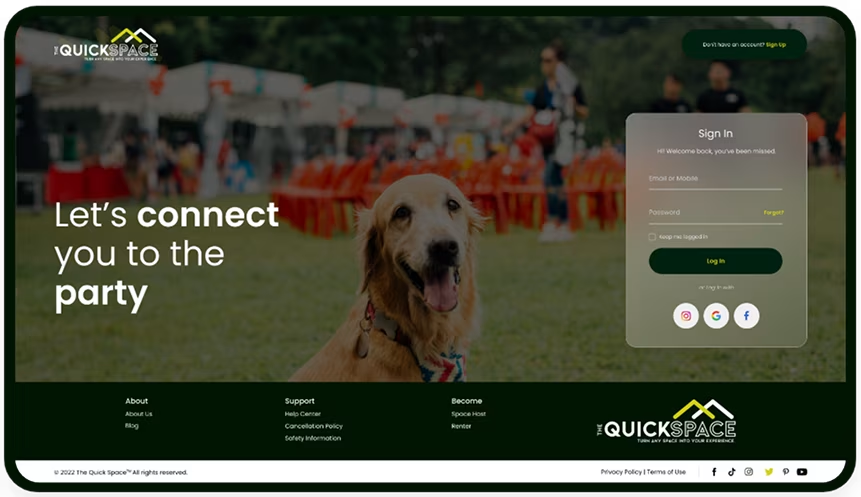
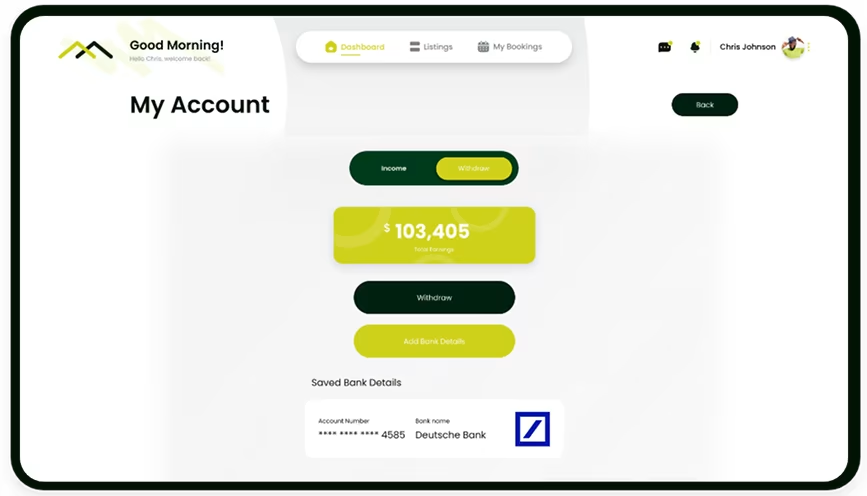
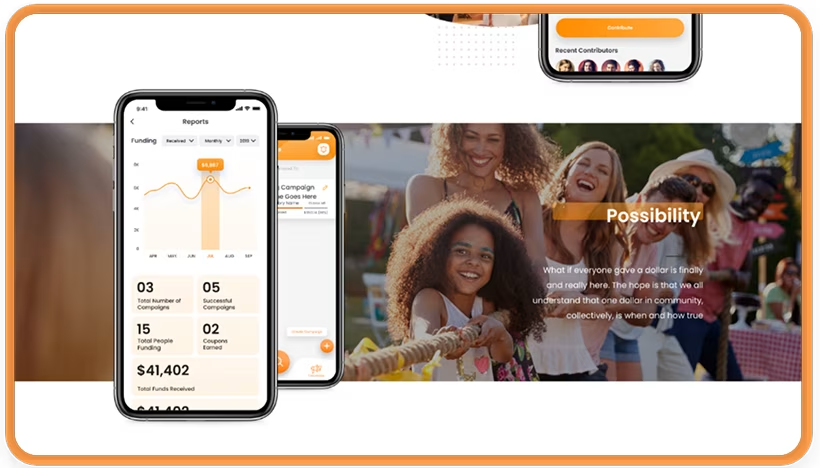
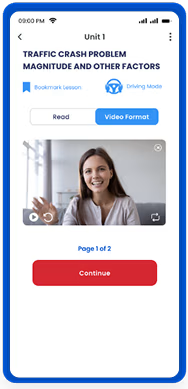
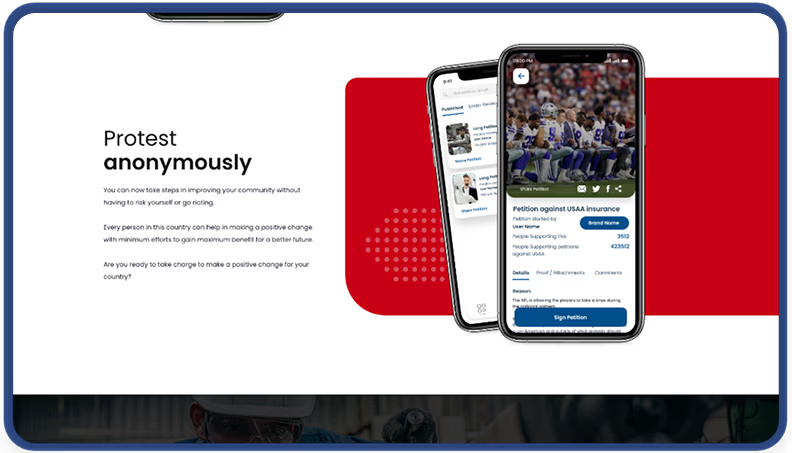
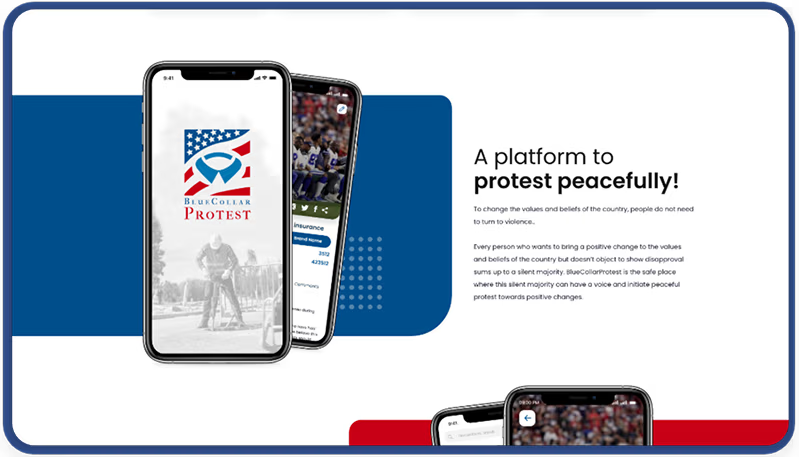
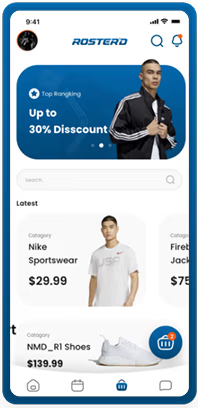
Apps for iOS, Android, or both. Native with Swift and Kotlin when the product demands the best fit for each platform, or cross-platform with React Native or Flutter when one codebase and one team make more sense. From idea to App Store and Play Store.
Trusted by innovators worldwide









Native iOS and Android give the smoothest fit for each OS: gestures, performance, and platform conventions. Cross-platform gets you one codebase and faster delivery to both stores. The right choice depends on the product, timeline, and budget. We help you pick and build.
Whether native or cross-platform, the app should feel right on the device. Platform guidelines, performance, and UX matter. No one wants a port that behaves like a website in a shell.
App Store and Play Store submission, TestFlight and internal testing, and the backend or APIs the app talks to. The full path from build to live and from live to the next release.
Discovery, design, build, deploy, support. One path from concept to an app that’s live and maintainable.
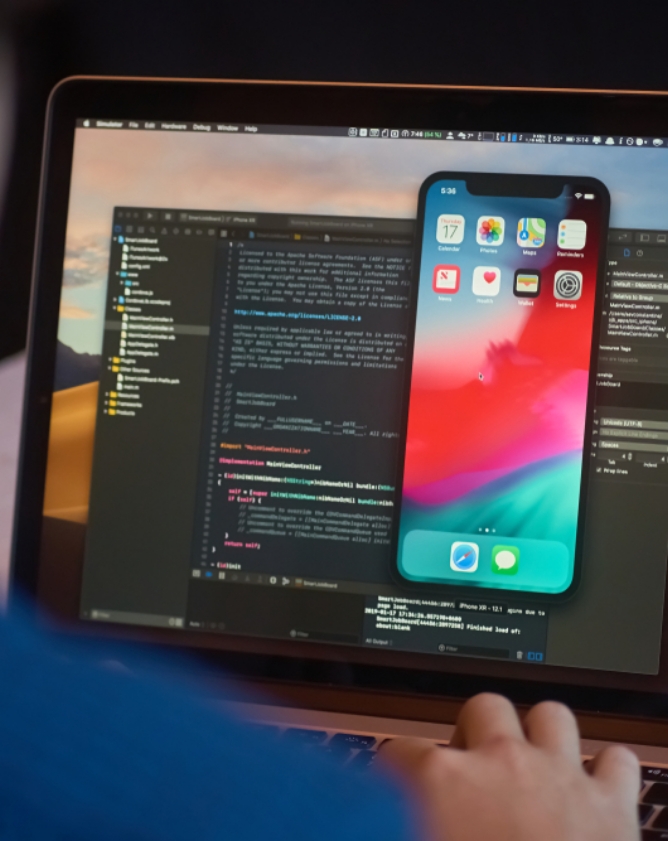
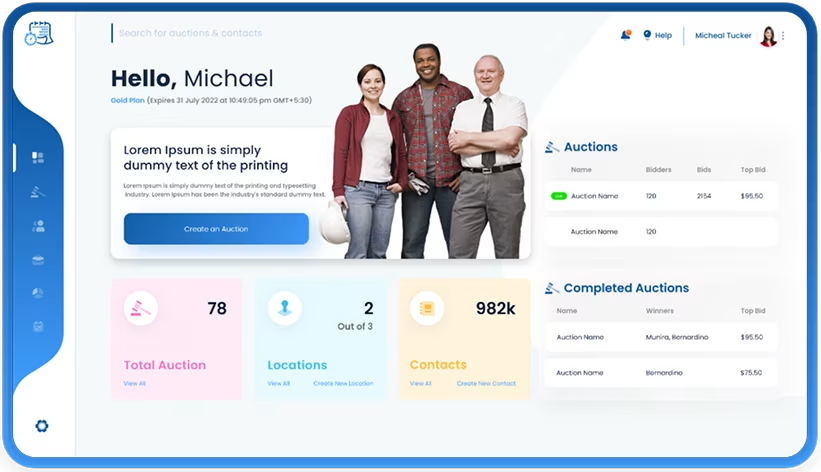
iOS apps, Android apps, and cross-platform apps. New builds or adding features to an existing app: clear structure, tests where they matter, and a path to the stores. Backend and APIs when the app needs them.
Swift and SwiftUI for modern, native iOS apps. Xcode and Apple’s tooling. UIKit when the project calls for it. Apps that follow iOS patterns and perform well on iPhone and iPad. TestFlight for beta; App Store Connect for release. The full iOS pipeline.
Kotlin and Jetpack Compose for current Android apps. Android Studio and the standard SDK. Material Design and platform conventions so the app feels native. Play Console for internal testing and production. One codebase for phones and tablets, with fragments and adaptive layouts when needed.
One codebase for iOS and Android. React Native uses JavaScript and React; you get native components and a single team. Flutter uses Dart and its own rendering; you get fast UI and tight control over look and behaviour. Both ship to both stores. We choose based on the product and your team’s skills.
JavaScript and React, with native modules when the default isn’t enough. Large ecosystem and a familiar model for web developers. Hot reload and a single codebase. Good fit when you want one team for both platforms and can accept some platform-specific code for edge cases.
Dart and Flutter’s widget set. No native UI components; Flutter draws its own. Consistent look across iOS and Android and fast iteration. Good fit when design control and performance matter and the team is fine learning Dart. Desktop and web targets exist if you need them later.
Apps need data and auth. REST or GraphQL APIs, push notifications, and auth (OAuth, JWT, or platform sign-in). We build or integrate the backend so the app has something solid to talk to. Same whether the app is native or cross-platform.
The app leans hard on platform APIs (camera, sensors, offline storage, or OS-specific features). You want the best possible performance and the exact look and behaviour of each OS. Budget and timeline allow two codebases and two platforms. Long-term you’re fine maintaining iOS and Android separately.
You need both stores quickly and one team. The app is mostly forms, lists, API calls, and standard UI. React Native or Flutter can cover the feature set and you’re okay with the odd native module for gaps. One codebase, one release cycle, lower cost to start.
Sometimes you launch on one platform first (e.g. iOS) native, then add Android or move to cross-platform for v2. Or you build the core in React Native or Flutter and drop into native only where you hit limits. The path isn’t set in stone; we can adjust as the product and resources change.
Native iOS apps in Swift and SwiftUI. iPhone and iPad, App Store submission, and updates. Built for the platform so the app feels right.
Native Android apps in Kotlin and Jetpack Compose. Phones and tablets, Play Store submission, and updates. Material Design and Android conventions baked in.
One codebase for iOS and Android with React Native or Flutter. Faster to both stores and one team to maintain. Native bridges when the product needs them.
Screens and flows that match the platform and feel fast. Animations, gestures, and performance tuning so the app doesn’t stutter or drain the battery.
APIs, auth, and push notifications for the app. Backend built or wired so the app has data and identity. Same whether you ship native or cross-platform.
New features, OS updates, and store compliance. So the app stays current and in the stores without breaking.
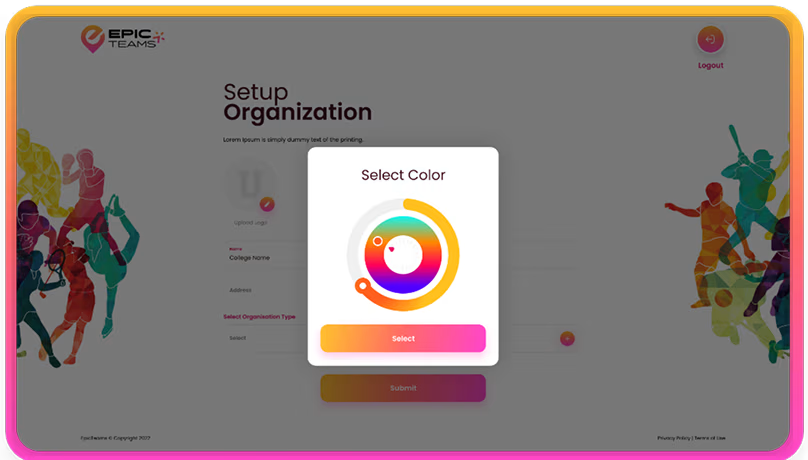
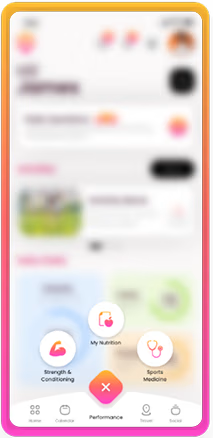
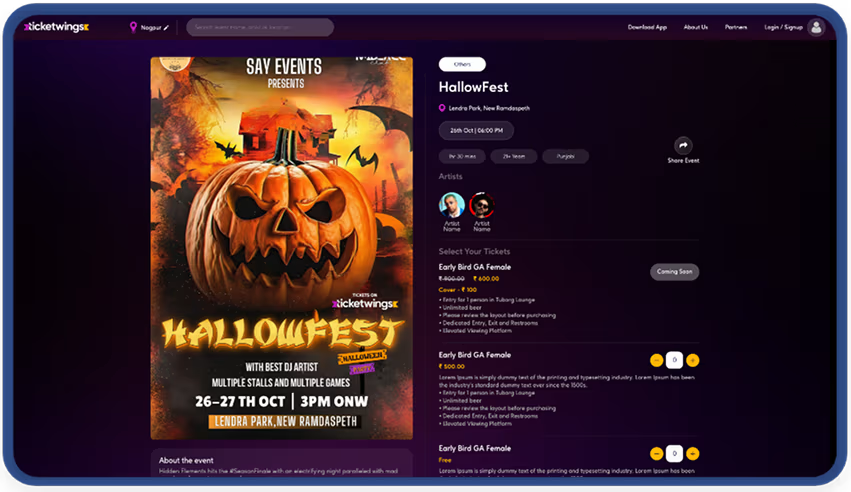
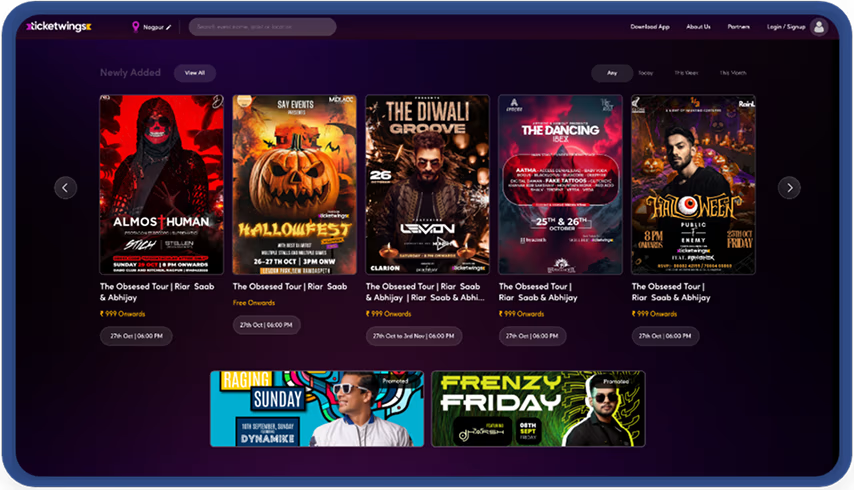

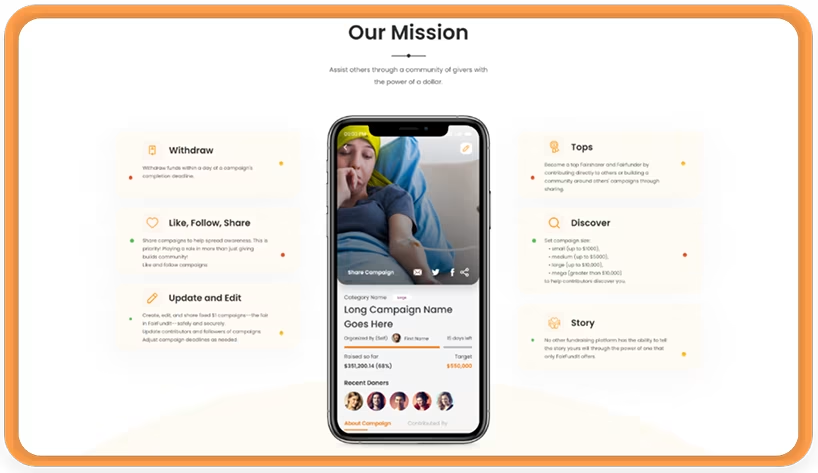
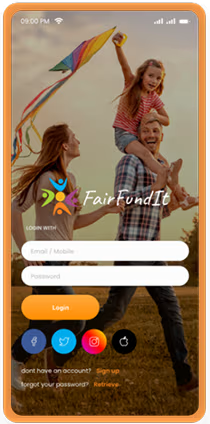
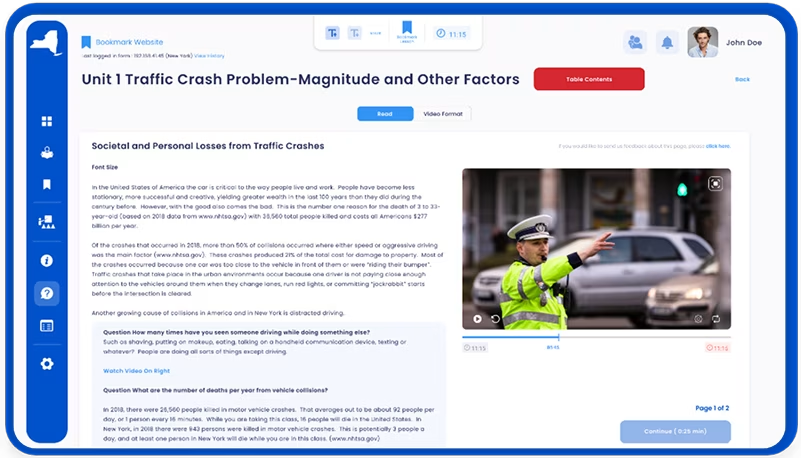
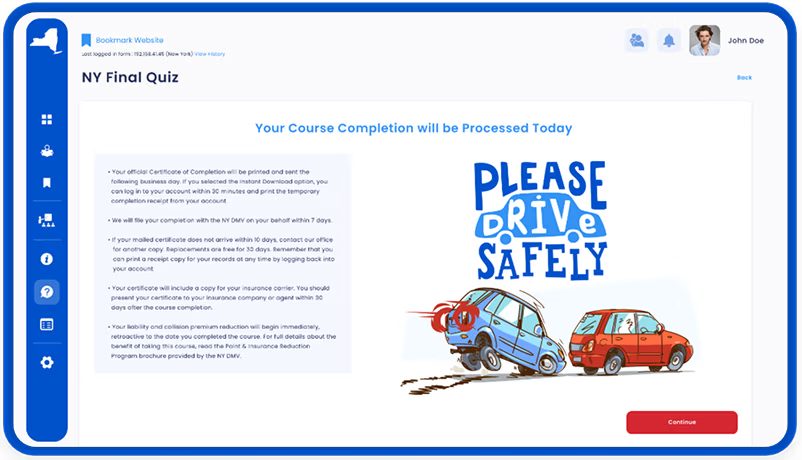

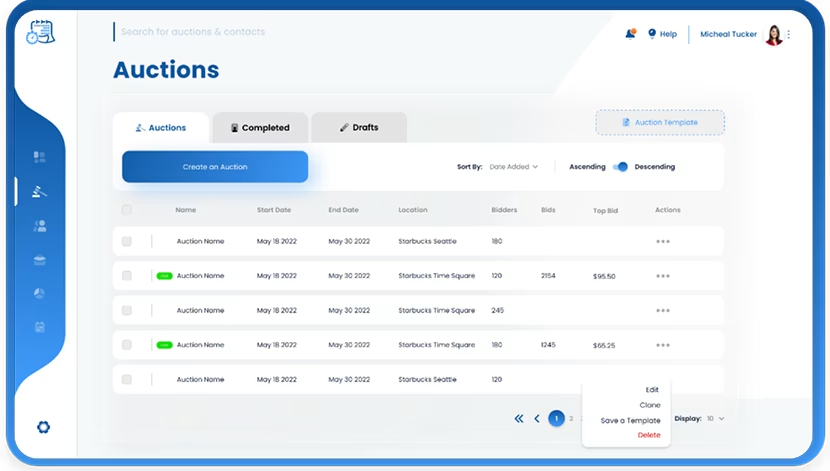
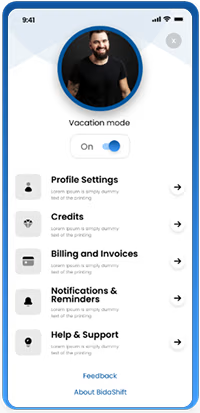
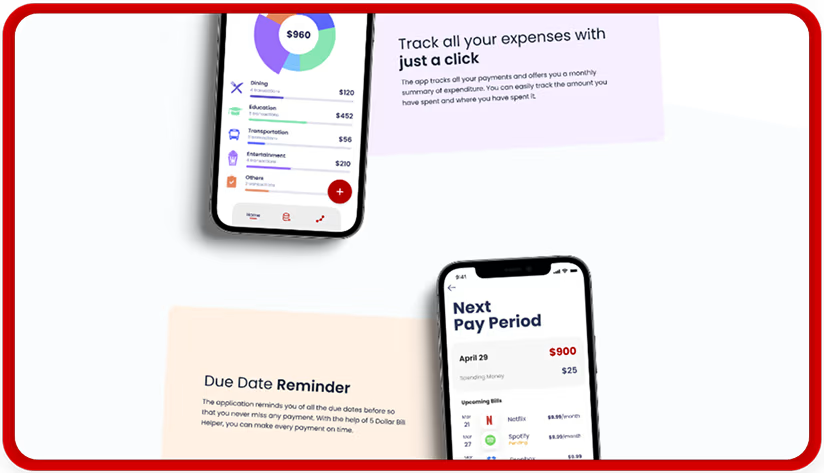
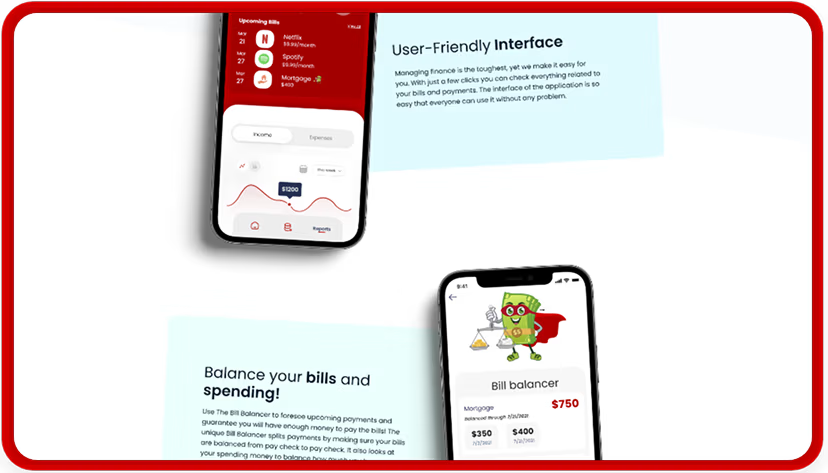
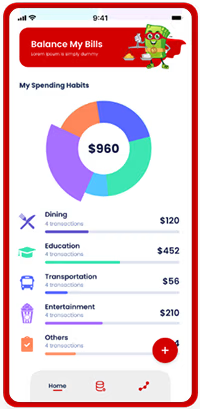
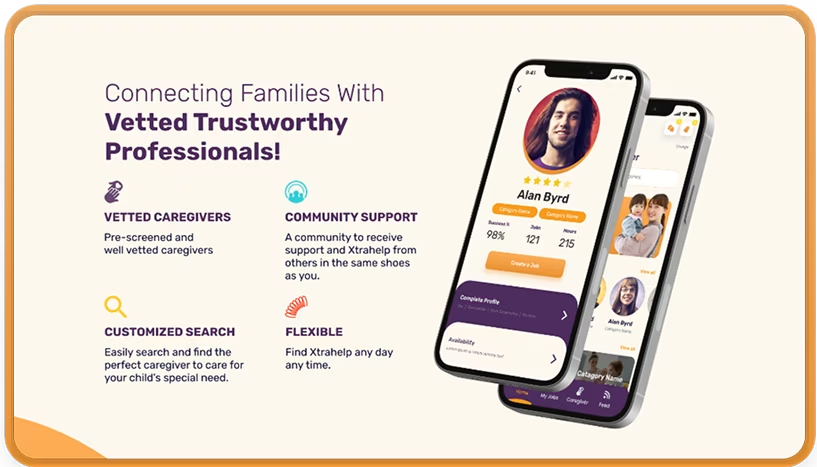
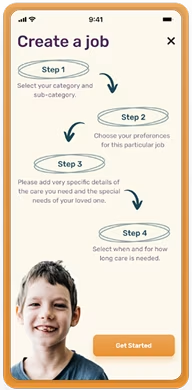


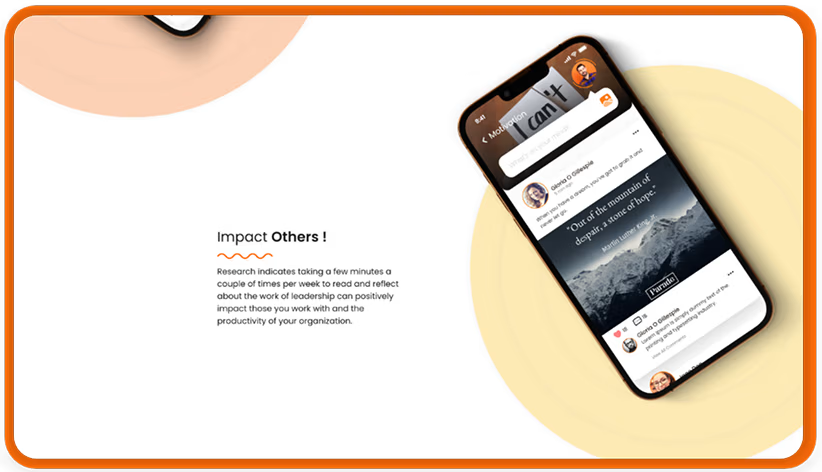
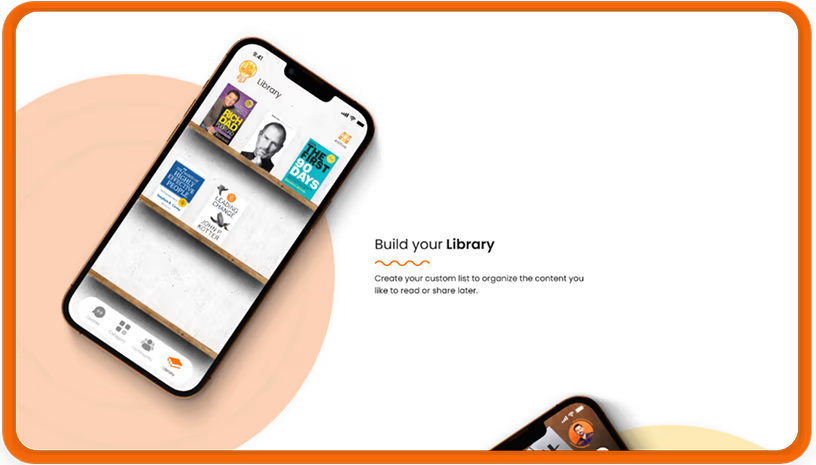


From your idea to a live app: understand, plan, build, ship, then support.
Goals, users, and platforms pinned down. Native or cross-platform and why. So the approach fits from day one.
Architecture, timeline, and feature set agreed. What’s in v1 and what lands in updates. Store and backend in the plan.
Sprints with design, development, and testing. Prototypes and betas so you see the app before release. Ready for store submission.
App Store and Play Store submission and release. Backend and analytics in place. The app is live and users can download it.
Docs, handover, and optional updates and maintenance. OS and store changes don’t leave the app behind.
We're open to collaboration with you, our next adventure.
© 2026 Webmigrates Technologies LLP. All rights reserved.